

DRPS Articles
Data Breach Statistics 2026: What Our Data Shows
A reconstruction of stated data years shows why a 2026 post, a freshness claim, and a subscription period answer different questions.
Blog · 535 Articles
Threat actors, dark web activity, ransomware and digital risk, explained by the analysts who track them.
02 All Articles
DRPS Articles
A reconstruction of stated data years shows why a 2026 post, a freshness claim, and a subscription period answer different questions.

DRPS Articles
A practical decision policy for monitoring, investigating, and reporting digital brand abuse.

DRPS Articles
Use a CEO fraud verification workflow to hold urgent payments, confirm the requester and beneficiary, require second approval, and seek recall fast.

News Explainer
Nth-party cyber risk grows through subcontracted services. Learn how to confirm critical dependencies, assess exposure, and escalate findings.

News Explainer
A practical plan for scoping supplier assets, comparing changes with a verified baseline, tuning alerts, and routing validated findings.

News Explainer
A practical guide to scoping supplier assets, verifying ownership, recording evidence, and reviewing changes in a defensible baseline.

DRPS Articles
A dated Brandefense Blackhole query and selected fraud-report ads show what phishing counts can and cannot support.

News Explainer
Ten threat intelligence companies compared on sources, analyst services and integrations, from each vendor's own product page. Checked November 2026.

News Explainer
A scoped Nmap command reference for external port checks, service identification, and careful interpretation of open, closed, and filtered results.

DRPS Articles
Ten brand protection companies compared on coverage, takedown and integrations, from each vendor's own product page. Checked November 2026.

News Explainer
A practical workflow for tracing historical DNS records, validating ownership, and resolving forgotten internet-facing assets without treating old observations as current facts.
DRPS Articles
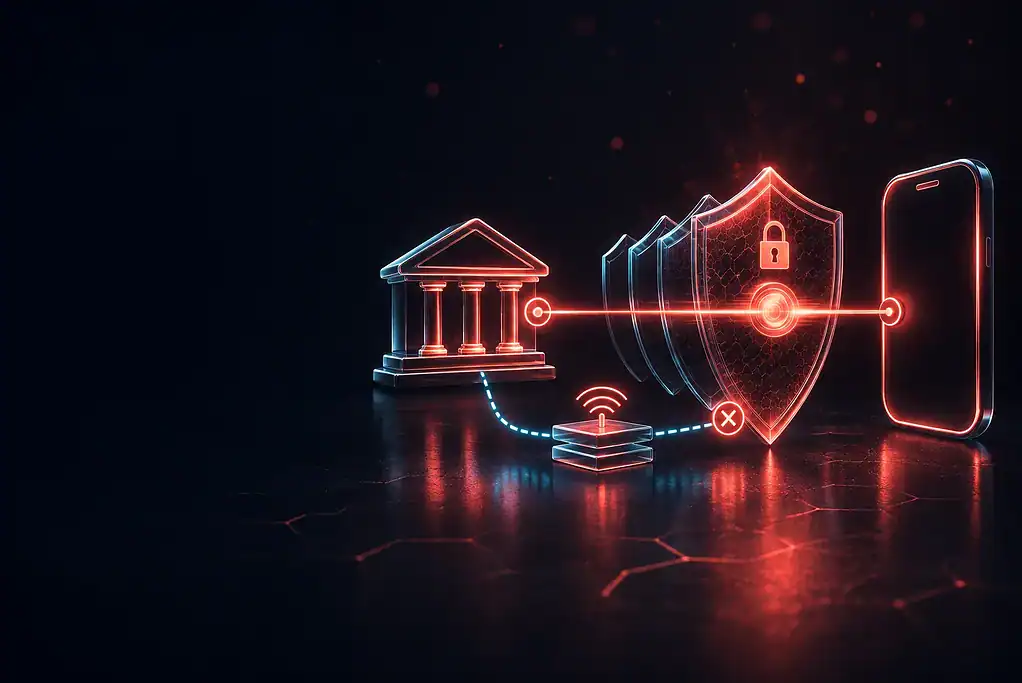
An OTP bot scales a social-engineering step, but it does not defeat authentication alone. Banks can reduce the risk by connecting authentication, session, transaction, customer-reporting, and threat-intelligence signals.
03 More To Read
VIP Security
How-To Guide
DRPS Articles
Threat Research
Threat Research
Threat Research
05 FAQ
Articles on ransomware, APT groups, the dark web, digital risk protection, fraud, sector analysis and VIP security, written for security teams.
The newest articles appear first, and every article shows its publish date.
Use the topic links above the list to open one topic, or type a word in the search box. Search and topic filters cover the full article collection.
Articles draw on public sources such as CISA advisories, MITRE ATT&CK and ENISA reports. Sources are listed at the end of an article when it cites them.
The site feed at brandefense.io/feed/ lists new posts. The email sign-up box is on the All Resources and Reports pages.
Brandefense is an AI-driven threat intelligence company. Its platform covers cyber threat intelligence, digital risk protection and external attack surface management. You can request a demo from the Request A Demo page.
This collection currently contains 535 public articles. The page shows the total at the top and the count for each topic next to its name. Each article shows its publish date.
The blog describes its articles as explained by the analysts who track threats. They cover threat actors, dark web activity, ransomware and digital risk. The newest articles appear first.
Yes. The Knowledge Hub also holds profiles of threat groups. Use the topic links or article search to explore the coverage.
The surface web is the part of the internet that search engines list. The deep web is content that search engines do not list, such as pages behind a login. The dark web needs special software to reach.

Take control of your digital security with an exclusive demo of our AI-driven threat intelligence platform.