


Cyber resilience is a firm’s ability to expect, recover from and adapt to cyber threats while keeping operations running with minimal disruption. It goes beyond prevention by planning for breaches that cannot be avoided. This post covers risk assessments, incident response, business continuity planning, automation and example cases.
Firms face more and more advanced cyber threats. Building cyber resilience is key to keeping the business running, safeguarding sensitive data, and reducing the harm that cyberattacks can cause. This article looks at key plans to strengthen cyber resilience and handle complex threats well.
What is Cyber Resilience, and Why is it Essential?
Cyber resilience is a firm’s ability to expect, recover from, and adapt to cyber threats while business operations continue with minimal disruption. It goes beyond traditional cybersecurity, which mainly focuses on preventing attacks. It stresses resilience in the face of breaches that cannot be avoided. Cyber threats like ransomware and data breaches grow more advanced. It is nearly impossible for firms to guarantee complete protection. Still, firms that invest in strong business continuity planning and incident response can limit financial losses and reputational damage. They can also stay compliant with rules when attacks occur.
Topic Cybersecurity Cyber resilience Main focus Preventing attacks Anticipating, recovering from and adapting to threats Breaches Aim to stop them Treated as inevitable, so operations must continue Outcome Protection of systems Minimal disruption to business operations
Cyber resilience is no longer optional. It is a must in an increasingly digital world. The global shift toward cloud computing, IoT devices, and remote work has widened the attack surface and made cyber incidents more likely. Without a full cyber resilience framework, firms risk long downtimes, disrupted services, and major financial costs.
Compliance rules such as GDPR, HIPAA, and NIST also demand high standards of data security and recovery readiness. Companies that build cyber resilience early can protect their assets. They can also gain a competitive edge by earning the trust of customers and stakeholders.
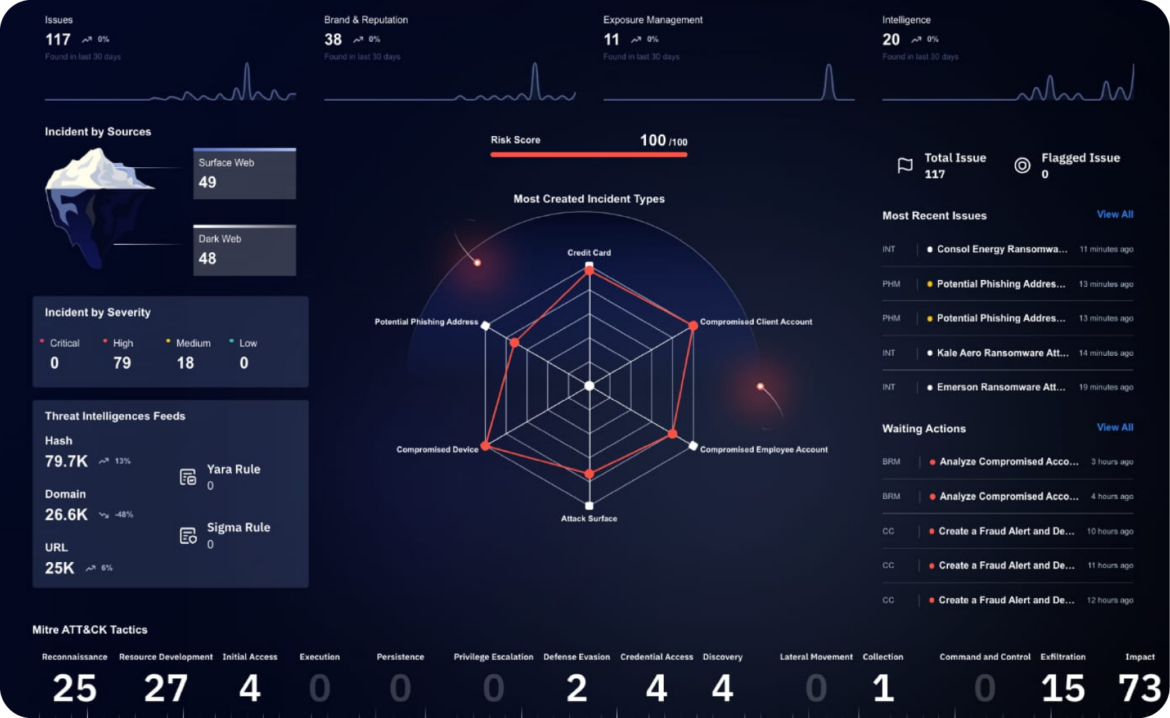
How Do You Develop a Robust Cyber Resilience Strategy?
Setting up a cyber resilience plan takes more than deploying the latest security tools. It needs a proactive, multi-layered approach that combines technology, processes, and people.
One of the first steps is a thorough set of risk assessments to find vulnerabilities and set security priorities. Firms should check their security posture, assess possible attack vectors, and decide which assets need the most protection. This helps create a tailored plan that addresses the business’s unique risks.
Beyond risk assessments, companies must combine technical controls and firm-wide policies to strengthen cyber resilience. Multi-factor authentication and strong access controls can greatly reduce unauthorized access. Routine training on spotting phishing, password management, and safe browsing can prevent breaches caused by human error.
AI-driven security tools can detect anomalies and automate threat reduction, which adds a layer of protection. A strong incident response plan also lets teams act fast during an attack and limit downtime and damage.
Firms should test and refine their cyber resilience plans all the time. Simulated attacks, penetration testing, and ongoing security audits all help. When security best practices reach every business function, companies build a more resilient infrastructure that can withstand even the most advanced threats.
What Is the Role of Incident Response and Business Continuity Planning?
A full incident response plan is vital for limiting the impact of cyber incidents. Firms should set up a well-defined response framework. It should set out how to detect, contain, investigate, and recover from cyber threats.
The plan should name response teams with clear roles and duties, so vital staff can act fast during an attack. Structured communication protocols help firms prevent misinformation. They also help firms coordinate well with stakeholders, regulators, and law enforcement.
Beyond incident response, a strong business continuity planning (BCP) framework is key to keeping work running even during cyber crises. BCP means spotting mission-critical functions, creating contingency plans, and setting up disaster recovery methods. Firms should keep their backups updated often, preferably in cloud environments. Then data can be restored quickly after ransomware attacks or system failures. Testing these plans with tabletop exercises and simulated breach scenarios shows whether they work in real-world situations.
By combining strong incident response and business continuity planning, companies can create a security-first culture that puts resilience first. The faster a firm can detect and stop a cyber threat, the less impact it will have on business operations, reputation, and financial stability.
Leveraging AI and Automation for Stronger Cyber Resilience
Artificial intelligence and automation play a key role in strengthening cyber resilience. AI-driven security tools improve threat detection and automate incident responses. They also study patterns to predict possible attacks. With real-time threat monitoring, firms can find vulnerabilities before attackers exploit them.
AI-powered security tools allow automated responses that stop threats at once. This reduces the risk of long exposure. With machine learning and behavioral analytics, companies can detect anomalies early and stop cyber threats from growing into major security incidents.
Automation also reduces human error, which remains one of the leading causes of security breaches. Manual security operations can be prone to oversight and delays. Automated systems give constant monitoring and rapid incident response. AI-driven tools also make compliance easier by keeping detailed logs and reports for audits. Firms that add AI and automation to their cybersecurity frameworks can strengthen their security posture, cut response times, and improve resilience against cyberattacks.
Case Studies: Organizations that Successfully Navigated Cyber Attacks
Several firms have successfully navigated cyber threats through proactive cyber resilience measures. A leading financial institution was able to stop a ransomware attack using AI-driven threat detection and rapid incident response. It monitored its network constantly for suspicious activity. It found and isolated the threat before it could spread, which prevented a possible data breach and financial loss.
An e-commerce company also showed cyber resilience by limiting downtime after a large-scale DDoS attack. It activated its business continuity plan and redirected traffic through a distributed denial-of-service mitigation solution. This kept its online platform running. Cloud-based security tools also helped the firm spread network loads and keep service available despite the attack.
A provider in the healthcare sector successfully reduced the impact of a data breach by setting up strong access controls and real-time monitoring tools. The security team revoked access at once when unauthorized access was detected. This kept sensitive patient data from being compromised. Through constant security training and investment in advanced cybersecurity tools, the healthcare provider responded well and strengthened its defense against future threats.
These examples show why firms should adopt full cyber resilience plans to safeguard critical assets and keep business operations running. Firms must stay alert, proactive, and ready to adapt to new cyber risks in today’s changing threat landscape. By ranking cyber resilience, firms can protect themselves from financial and reputational damage. They also gain a key edge in an increasingly digital world.