


The holiday season is a peak period for e-commerce, as shoppers go online for deals and easy buying. This surge in activity also draws cybercriminals. So strong e-commerce cybersecurity practices are key for businesses and shoppers.
Protecting customer data, securing payment transactions and fixing vulnerabilities should come first at this critical time. A multi-layered approach can protect businesses from the growing threats that attackers pose. It includes:
- running website vulnerability scans;
- strengthening payment gateway protections;
- preparing full incident response plans for possible data breaches.
By staying alert and proactive, e-commerce platforms can keep customer trust. They can also lower the chance of financial and reputational damage during the holiday season.
E-Commerce Fraud Prevention: Securing Customer Transactions
Fraud prevention is the base of trust in e-commerce, especially as cybercriminals keep devising skilled methods to exploit digital transactions. Businesses must put measures in place that secure customer data and financial details against threats such as phishing schemes, account access without permission and deceptive transactions.
Advanced e-commerce fraud prevention systems are a strong answer. They use artificial intelligence and machine learning to detect unusual patterns and spot risks in real time. These tools analyze transaction behavior and flag anomalies that may point to fraud. They also let security teams act right away.
Multi-factor authentication (MFA) is key for protection, because it asks customers to confirm who they are through more than one secure channel. Teaching shoppers safe habits also protects against fraud. Examples are checking that a website is credible and avoiding untrusted links.
Encouraging users to pick strong passwords and secure payment methods, and to check their accounts often, strengthens protection further. By combining modern technology with proactive shopper education, businesses can create a strong environment that puts the safety of every transaction first.
A disgruntled employee, or one who clicks on a malicious link without knowing it, can bring in malware or grant access to critical systems without permission.
Protecting Payment Gateways from Cyber Threats
Payment gateways are the backbone of digital commerce. They are a prime target for cybercriminals who want to intercept sensitive financial data. Securing them takes a full plan that combines technology upgrades with steady vigilance.
End-to-end encryption makes sure data is sent securely and stays out of reach of people without permission. Encrypted systems shield payment details from interception. This gives customers and businesses a key layer of protection.
Keeping systems updated is just as critical for payment gateway security. Outdated software and unpatched vulnerabilities often serve as entry points for attackers. Fraud detection algorithms strengthen gateway defenses. They spot unusual transaction patterns and block suspicious activity before it escalates.
Tokenization adds another safeguard by limiting the impact of data theft. With these measures, businesses protect payment channels and build trust among their customers. This keeps transactions safe and smooth.
Drupal reported active exploitation of a Commerce Core access bypass on 28 October 2026. Our Commerce Core patch and order-audit playbook explains the branch-specific fixes and the vendor’s request to review orders for inconsistencies.
Conducting Website Vulnerability Scans Before Peak Seasons
Website vulnerability scans matter most before high-traffic periods such as holiday shopping. These scans are a proactive way to find weak points that cyber adversaries could otherwise exploit. Tools for website vulnerability scans inspect a website’s infrastructure and find issues such as outdated software, insecure configurations and unprotected open ports. Any of these may serve as an entry point for attackers.
Fixing the vulnerabilities you find, through timely patching and reconfiguration, is vital for reducing risk. This extends to ongoing monitoring, so that new threats are handled fast and the website stays secure under high traffic.
Businesses that put these scans first reduce their exposure to cyber threats. They also improve the user experience by giving people a reliable place to shop. This builds customer trust and loyalty, which supports lasting business success.
Digital Risk Intelligence for E-commerce Security
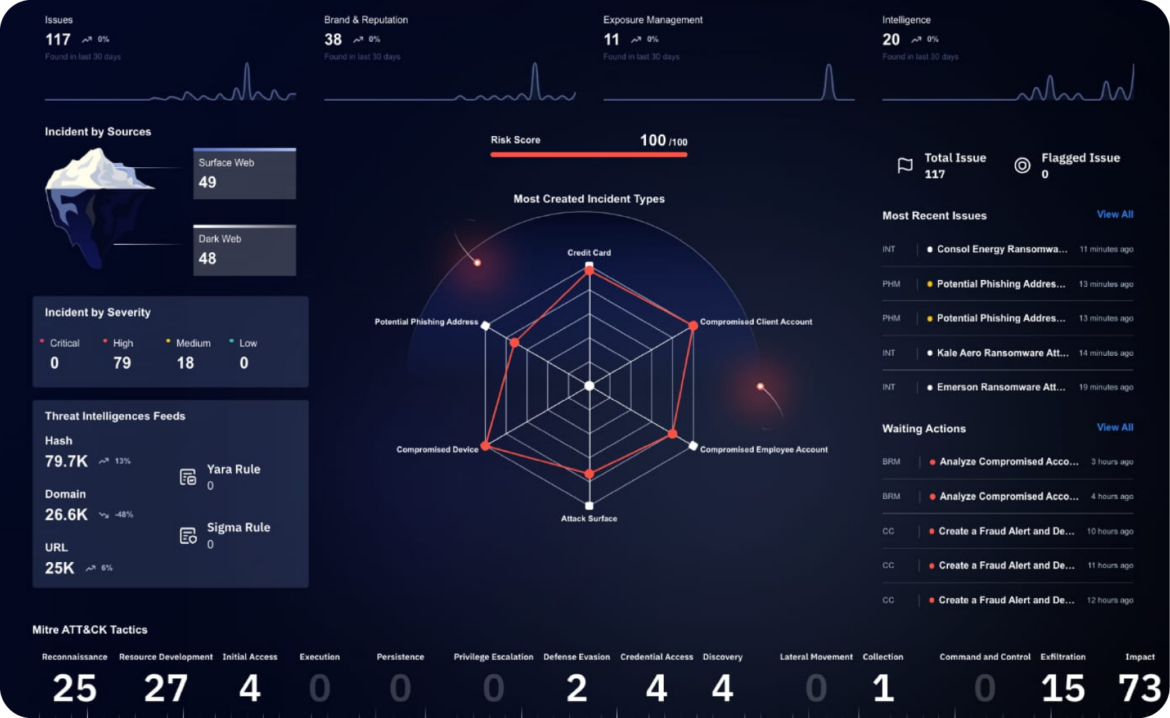
Staying ahead of cyber threats in the fast-moving e-commerce landscape takes real-time digital risk intelligence. It gives businesses useful insight into new risks, so they can fix vulnerabilities and stop possible attacks early. By monitoring a broad range of digital spaces, including the deep and dark web, businesses can detect mentions of their brand, stolen credentials and other signs of coming threats.
Adding digital risk intelligence to existing security work speeds up threat spotting and response. Automated systems give ranked intelligence, so security teams can focus on genuine threats. This intelligence-driven approach helps businesses adapt to the changing threat landscape and protect their assets and work.
Combined with good planning, these tools improve a company’s ability to defend against known and new cyber risks. The result is a secure environment for e-commerce.
Incident Response Plans for E-Commerce Data Breaches
Data breaches are among the biggest threats to e-commerce. They can expose sensitive data and erode customer trust. Full incident response plans are key to limiting the impact of such events.
These plans should clearly define how to find, contain and resolve breaches, so that every action is coordinated and efficient. This includes strong monitoring systems that can detect access without permission and unusual activity as it happens.
A dedicated incident response team with clearly assigned roles and duties lets a business act fast when a breach occurs. Tools that use threat detection automation speed up the spotting of malicious activity. This allows quicker containment and damage control.
Testing and refining these plans regularly is critical for readiness. With well-built incident response plans, businesses can protect their reputation, stay compliant with legal standards and build customer confidence.