


The holiday shopping season brings a surge in online transactions. This makes it a prime target for cybercriminals. Secure online payment processes are key to protecting both shoppers and businesses. Cyber threats such as fraudulent transactions and data breaches keep changing, so strong measures are needed to reduce risks.
Companies should use advanced tools such as encryption and tokenization to protect sensitive data. Proactive monitoring and threat detection add to this and give customers a smooth, safe shopping experience.
Shoppers play a large role too. Safe browsing habits, avoiding suspicious links, and using trusted payment methods add protection. Multi-factor authentication (MFA) is another key tool. It adds extra verification steps. Together, these measures build a full defense against cyber risks in the busy holiday season.
Fraudulent Transaction Detection: Staying One Step Ahead
Real-time detection of fraudulent transactions is a key part of modern cybersecurity. Cybercriminals are getting more skilled. They use advanced techniques, such as synthetic identity fraud and automated bots, to exploit weak points in payment systems.
Fraud detection tools powered by artificial intelligence (AI) and machine learning can analyze transaction behavior. They spot anomalies such as inconsistent geolocation, device fingerprint mismatches, or odd purchase patterns. These signs may point to fraud.
Pairing technology with customer education makes defenses stronger. Users can act as an extra layer of defense. Encourage them to check their accounts often, report charges they did not make at once, and stay alert to unsolicited requests for sensitive data. Businesses can combine fraud detection tools with awareness efforts. This greatly lowers the chance of financial loss and builds lasting trust with customers.
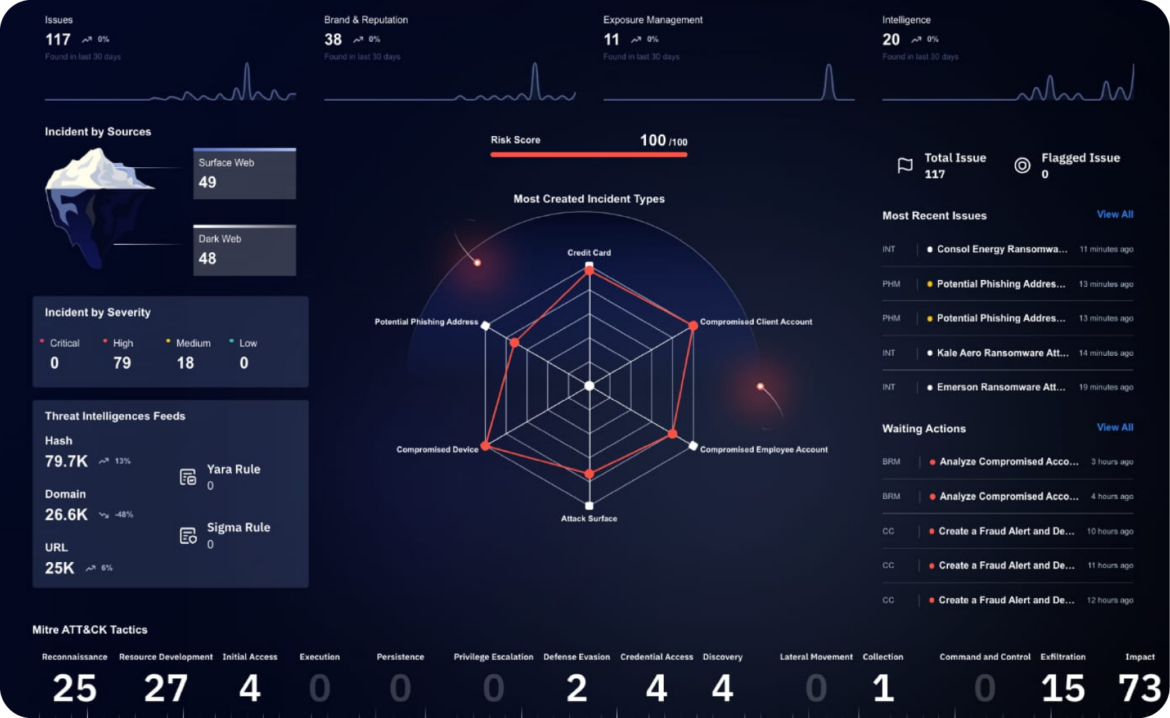
Achieving PCI DSS Compliance for Secure Transactions
Achieving PCI DSS compliance takes a range of safeguards. These include strong encryption to secure data in transit and at rest. They also include limited access to sensitive data, and tokenization, which replaces sensitive data with unique identifiers. Together, these steps lower the risk of data breaches.
Staff training plays a key role in keeping up compliance. Teach staff to recognize possible threats, follow secure payment practices, and follow compliance protocols. This builds a culture of accountability.
Regular reviews and penetration testing can find and limit new risks. By staying alert and in line with PCI DSS requirements, businesses secure transactions and raise their reputation as trustworthy firms. This builds confidence among customers and partners.
Using AI to Detect Transaction Anomalies
Traditional fraud detection methods worked well in earlier cyber landscapes. Today they struggle with the volume and complexity of digital threats. AI-driven transaction anomaly detection systems excel at processing vast datasets in real time. They spot small deviations that might escape normal checks. By analyzing factors such as transaction frequency, purchase history, and location consistency, these systems quickly flag suspicious activity for review.
AI tools also greatly reduce false positives. These have long burdened security teams with needless alerts. Better accuracy lets teams focus on real threats and use their time and resources well.
Adding AI to cybersecurity frameworks gives businesses a proactive approach. It helps shield them from new threats and keeps the transaction experience secure and smooth for customers.
Preventing Data Breaches in Online Payment Systems
Data breaches are a lasting and costly threat to online payment systems. They put customer trust at risk and expose businesses to severe financial and reputational damage. Effective data breach prevention begins with end-to-end encryption to secure data in transit. This keeps sensitive data out of reach of people without permission. Tokenization also replaces sensitive data with nonsensitive equivalents, which limits the impact of possible breaches.
Regular updates to software and hardware are just as key, as attackers often exploit vulnerabilities in outdated infrastructure. Ongoing monitoring systems detect unusual access patterns or activity without permission, and help businesses stop breaches early.
Finally, a ready incident response plan means quick containment and resolution of breaches. This limits disruption and gets work back to normal. These layered approaches strengthen the security of payment systems and protect both businesses and the consumers they serve.
Enhancing Email Security to Protect Payment Data
Email remains a key attack vector for cybercriminals who aim to compromise payment data. Phishing campaigns and emails loaded with malware are made to trick people into giving up sensitive data or installing malicious software without knowing it. Using AI in email security gives an advanced line of defense against such threats. AI-powered filters analyze and spot suspicious parts of email content, attachments, and links, and stop them before they reach user inboxes.
Staff and customer education further boosts email security. People spot and avoid threats better when they know common phishing tactics. Examples are spoofed sender addresses and urgent requests for personal data. Encourage encryption for sensitive messages and secure login methods, including multi-factor authentication, to add an extra layer of protection. These full measures keep payment data safe from email-based threats and protect the integrity and trustworthiness of online transactions.