

News Explainer
Account Takeover vs. Credential Stuffing: What’s the Difference and Why It Matters
Account takeover vs credential stuffing explained: how ATO, credential stuffing, password spraying and brute force differ, plus detection and defenses.
Blog · 535 Articles
Threat actors, dark web activity, ransomware and digital risk, explained by the analysts who track them.
02 All Articles
News Explainer
Account takeover vs credential stuffing explained: how ATO, credential stuffing, password spraying and brute force differ, plus detection and defenses.

News Explainer
Lookalike domains are one of the most effective tools used in phishing, credential theft, and brand impersonation attacks. Learn how typosquatting, homoglyph attacks, and domain spoofing campaigns work, and discover how organizations can detect and take…

News Explainer
Account takeover attacks continue to rise as stolen credentials fuel credential stuffing, phishing, and session hijacking campaigns. This guide explains how CISOs can detect, respond to, and prevent ATO incidents through behavioral analytics, dark web intelligence,…

Incident Explainer
“Actionable intelligence” is everywhere—but rarely actionable. Here’s what it actually means in 2026, and how AI closes the gap between data and decisions.

News Explainer
“Actionable intelligence” is everywhere—but rarely actionable. Here’s what it actually means in 2026, and how AI closes the gap between data and decisions.
News Explainer
Agentic AI is reshaping cybersecurity operations by enabling autonomous threat triage, investigations, and rapid containment. Learn how AI-powered SOC teams are defending at machine speed.

News Explainer
Learn how AI-driven Cyber Threat Intelligence (CTI) platforms eliminate delays, reduce noise, and deliver real-time intelligence to stop threats before they escalate.
APT Group Articles
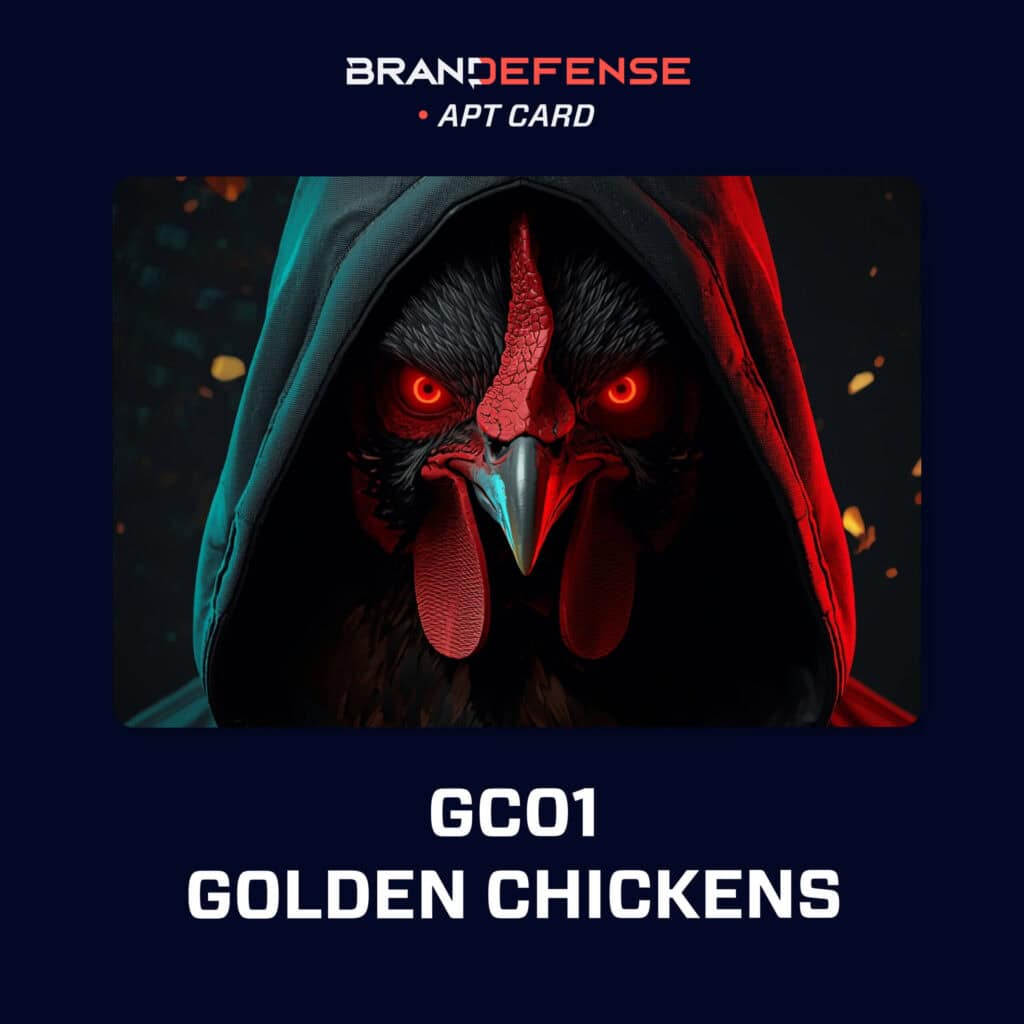
Golden Chickens (GC01) is a top-tier Malware-as-a-Service provider enabling cybercriminal operations worldwide. Discover its tools, tactics, and impact.
APT Group Articles
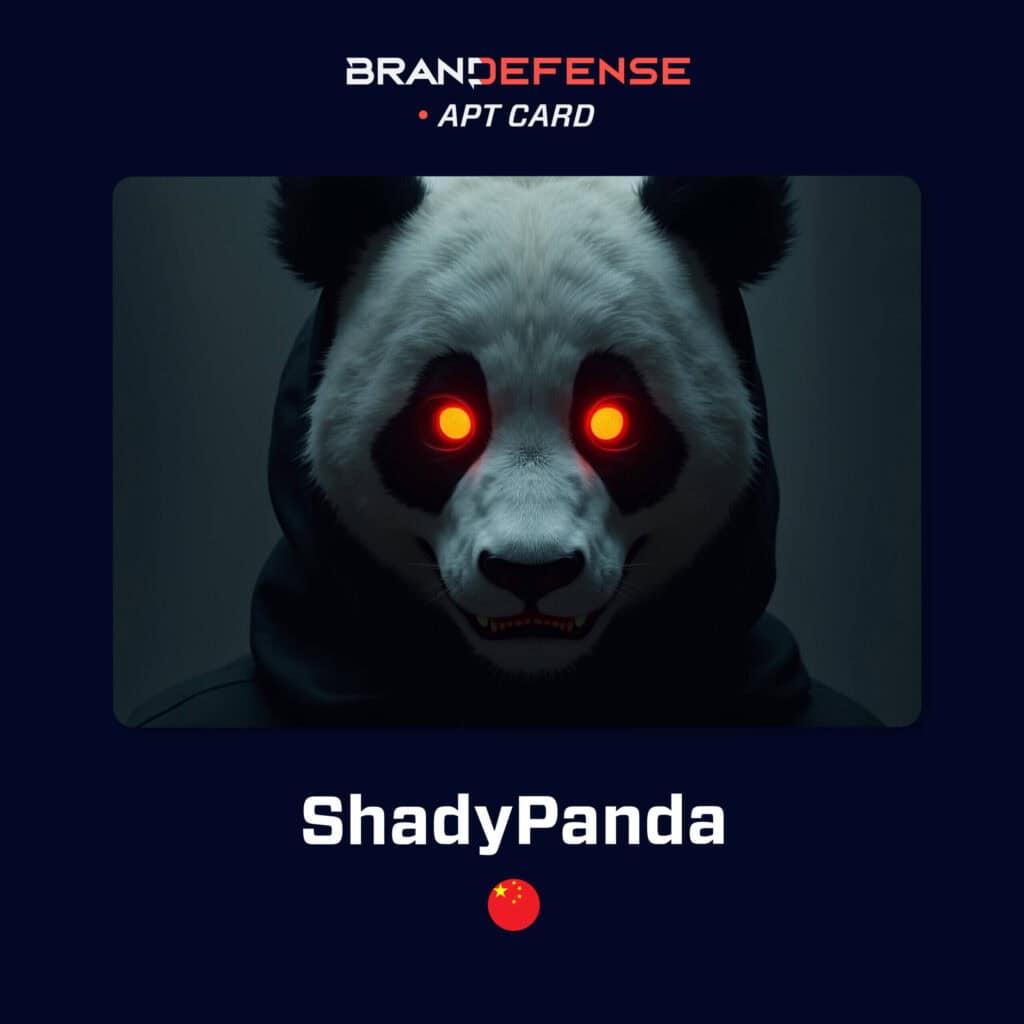
ShadyPanda is a name from a single vendor report about malicious browser extensions. This page covers what MITRE ATT&CK confirms about extension abuse and how to reduce the risk.
APT Group Articles
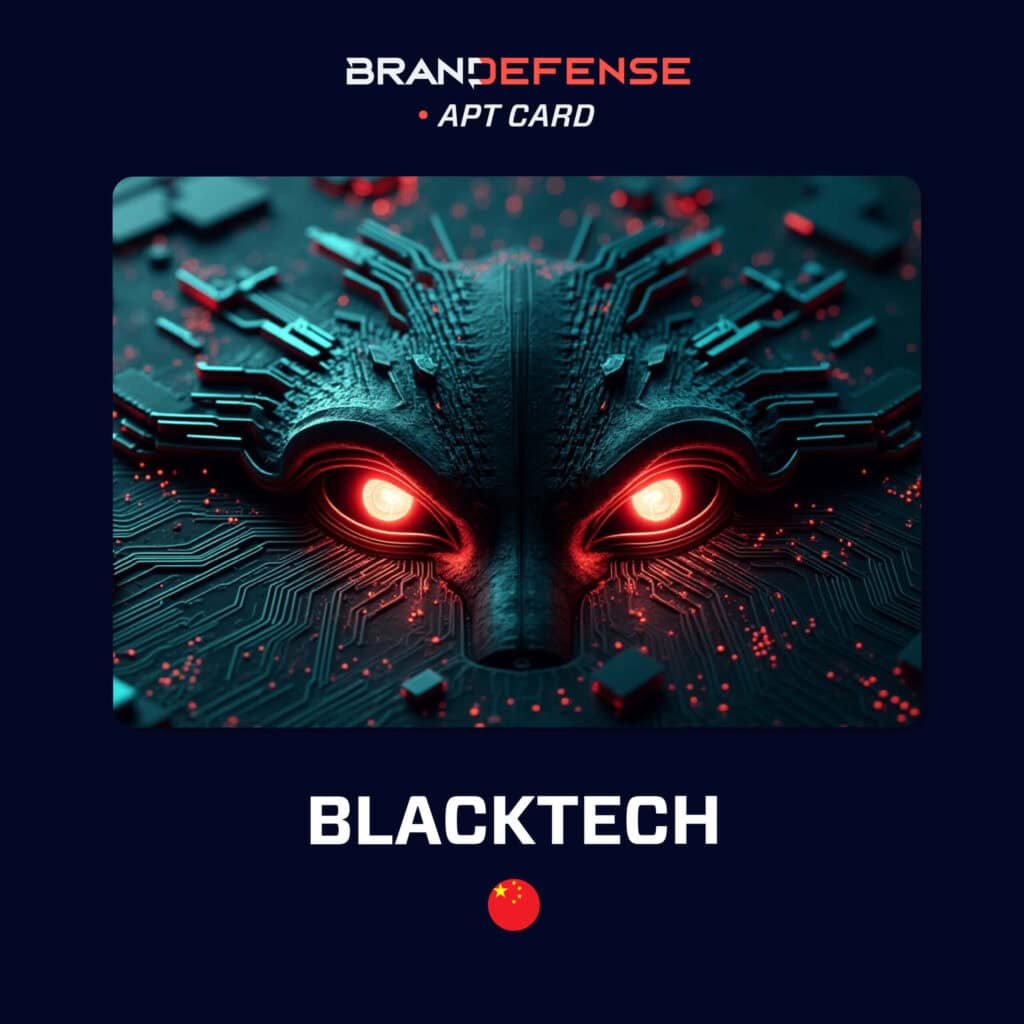
BlackTech is a China-aligned APT group specializing in long-term cyber espionage through network infrastructure compromise, targeting telecom, government, and tech sectors.

News Explainer
A massive Komiko AI data breach exposed over 1 million users, including OAuth tokens and session data—creating critical account takeover risks. Here’s what happened and how Brandefense detected it early.

APT Group Articles
UAC-0194 is a high-risk, Russian-affiliated threat actor leveraging NTLM vulnerabilities for stealthy credential theft and cyber espionage across Eastern Europe.
03 More To Read
VIP Security
How-To Guide
DRPS Articles
Threat Research
Threat Research
Threat Research
05 FAQ
Articles on ransomware, APT groups, the dark web, digital risk protection, fraud, sector analysis and VIP security, written for security teams.
The newest articles appear first, and every article shows its publish date.
Use the topic links above the list to open one topic, or type a word in the search box. Search and topic filters cover the full article collection.
Articles draw on public sources such as CISA advisories, MITRE ATT&CK and ENISA reports. Sources are listed at the end of an article when it cites them.
The site feed at brandefense.io/feed/ lists new posts. The email sign-up box is on the All Resources and Reports pages.
Brandefense is an AI-driven threat intelligence company. Its platform covers cyber threat intelligence, digital risk protection and external attack surface management. You can request a demo from the Request A Demo page.
This collection currently contains 535 public articles. The page shows the total at the top and the count for each topic next to its name. Each article shows its publish date.
The blog describes its articles as explained by the analysts who track threats. They cover threat actors, dark web activity, ransomware and digital risk. The newest articles appear first.
Yes. The Knowledge Hub also holds profiles of threat groups. Use the topic links or article search to explore the coverage.
The surface web is the part of the internet that search engines list. The deep web is content that search engines do not list, such as pages behind a login. The dark web needs special software to reach.

Take control of your digital security with an exclusive demo of our AI-driven threat intelligence platform.