
cyber resilience. Tagged Articles.
127 articles tagged cyber resilience.
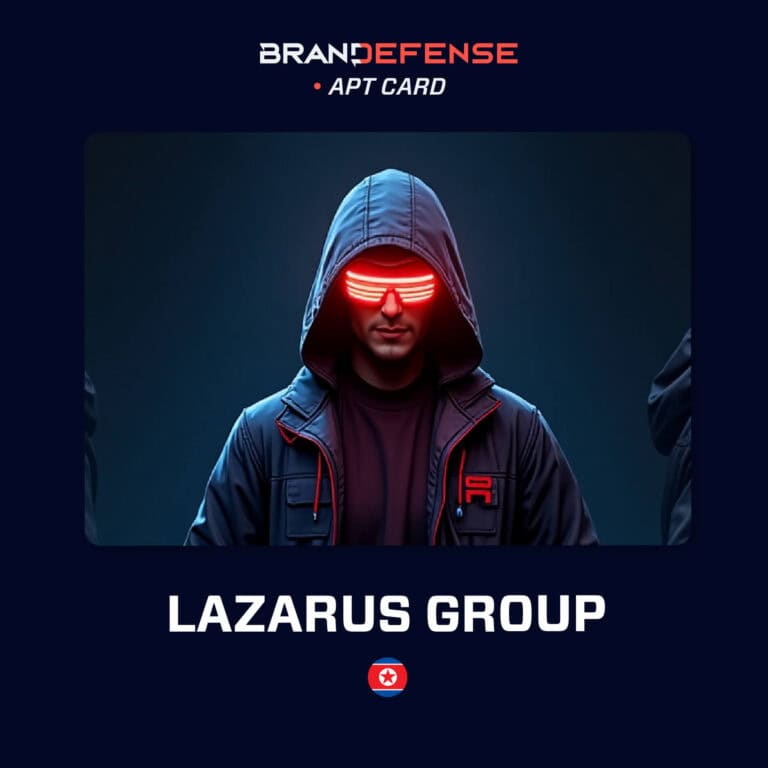 APT Groups
The Lazarus Group: Espionage, Sabotage, and Cybercrime Under One Umbrella
The Lazarus Group — a North Korea–linked APT — has executed some of the most disruptive cyberattacks in modern history. From Sony Pictures to billion-dollar crypto…
APT Groups
The Lazarus Group: Espionage, Sabotage, and Cybercrime Under One Umbrella
The Lazarus Group — a North Korea–linked APT — has executed some of the most disruptive cyberattacks in modern history. From Sony Pictures to billion-dollar crypto…
 Digital Risk Protection
EASM Best Practices for the Energy Sector
The energy sector faces rising cyber risks from APTs, ransomware, and AI-driven threats. Discover how to secure your infrastructure with effective EASM strategies—from continuous asset discovery…
Digital Risk Protection
EASM Best Practices for the Energy Sector
The energy sector faces rising cyber risks from APTs, ransomware, and AI-driven threats. Discover how to secure your infrastructure with effective EASM strategies—from continuous asset discovery…
 APT Groups
Larva208: A Hybrid Threat Actor to Watch
Larva208 has rapidly emerged as one of the most alarming Russia-aligned hybrid threat actors, merging financial cybercrime with espionage campaigns targeting European and NATO-affiliated organizations.
APT Groups
Larva208: A Hybrid Threat Actor to Watch
Larva208 has rapidly emerged as one of the most alarming Russia-aligned hybrid threat actors, merging financial cybercrime with espionage campaigns targeting European and NATO-affiliated organizations.
 Blog
Innovative Solutions to EASM Challenges for 2026
The digital perimeter is vanishing, and EASM will define cyber resilience in 2026. Discover how emerging threats—APT disruptions, ransomware convergence, and AI-powered attacks—are reshaping security strategies…
Blog
Innovative Solutions to EASM Challenges for 2026
The digital perimeter is vanishing, and EASM will define cyber resilience in 2026. Discover how emerging threats—APT disruptions, ransomware convergence, and AI-powered attacks—are reshaping security strategies…
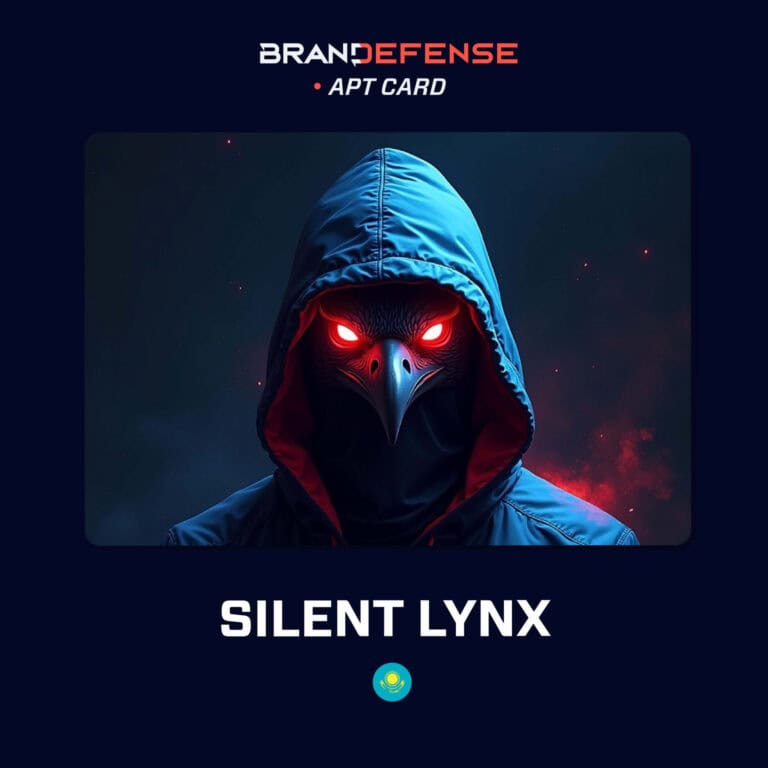 APT Groups
Silent Lynx: Up-and-Coming Espionage Threat From Central Asia
Silent Lynx is a newly identified APT group operating from Central Asia with a focus on espionage. Using spear-phishing, PowerShell, and Golang implants, the group targets…
APT Groups
Silent Lynx: Up-and-Coming Espionage Threat From Central Asia
Silent Lynx is a newly identified APT group operating from Central Asia with a focus on espionage. Using spear-phishing, PowerShell, and Golang implants, the group targets…
 Digital Risk Protection
Caught in a Phishing Storm: Here’s How to Regain Control
Phishing attacks are evolving with advanced techniques that bypass traditional defenses. Learn how Brandefense provides real-time phishing detection and takedown to safeguard brand reputation and customer…
Digital Risk Protection
Caught in a Phishing Storm: Here’s How to Regain Control
Phishing attacks are evolving with advanced techniques that bypass traditional defenses. Learn how Brandefense provides real-time phishing detection and takedown to safeguard brand reputation and customer…
 Blog
Understanding Supply Chain Attack Tactics with Case Study
This blog analyzes supply chain attack tactics, major incidents like SolarWinds and Kaseya, and the latest Shai-Hulud npm campaign, offering defense recommendations for organizations.
Blog
Understanding Supply Chain Attack Tactics with Case Study
This blog analyzes supply chain attack tactics, major incidents like SolarWinds and Kaseya, and the latest Shai-Hulud npm campaign, offering defense recommendations for organizations.
 APT Groups
SilverFox APT: Profile, TTPs and Defense
SilverFox APT is rapidly evolving into one of 2025’s most dangerous cyber threat actors. Combining espionage with financial motives, it exploits edge devices, cloud identities, and…
APT Groups
SilverFox APT: Profile, TTPs and Defense
SilverFox APT is rapidly evolving into one of 2025’s most dangerous cyber threat actors. Combining espionage with financial motives, it exploits edge devices, cloud identities, and…
 APT Groups
Gamaredon Group: A Persistent Russian Espionage Threat
Gamaredon is a Russia-linked APT active since 2013, targeting Ukraine, NATO, and critical sectors. Using phishing, malware, and custom backdoors, the group continues to evolve into…
APT Groups
Gamaredon Group: A Persistent Russian Espionage Threat
Gamaredon is a Russia-linked APT active since 2013, targeting Ukraine, NATO, and critical sectors. Using phishing, malware, and custom backdoors, the group continues to evolve into…
 APT Groups
Mustang Panda: Persistent Threat of a China aligned Espionage Group
Mustang Panda (Earth Preta) is one of the most persistent China-linked APT groups, adapting tools like PlugX, ToneShell, and Yokai to target governments, NGOs, and critical…
APT Groups
Mustang Panda: Persistent Threat of a China aligned Espionage Group
Mustang Panda (Earth Preta) is one of the most persistent China-linked APT groups, adapting tools like PlugX, ToneShell, and Yokai to target governments, NGOs, and critical…
 APT Groups
DragonForce Ransomware: From Hacktivism to High-Street Extortion
DragonForce, once a hacktivist collective, has transformed into a financially driven ransomware cartel. From high-profile UK retailers to global enterprises, the group leverages affiliates, white-label branding,…
APT Groups
DragonForce Ransomware: From Hacktivism to High-Street Extortion
DragonForce, once a hacktivist collective, has transformed into a financially driven ransomware cartel. From high-profile UK retailers to global enterprises, the group leverages affiliates, white-label branding,…
 APT Groups
APT29 (Cozy Bear): Russia’s Stealth Espionage Powerhouse
APT29, also known as Cozy Bear, is one of Russia’s most persistent cyber espionage groups. From SolarWinds to Microsoft, their operations highlight the sophistication of identity-based…
APT Groups
APT29 (Cozy Bear): Russia’s Stealth Espionage Powerhouse
APT29, also known as Cozy Bear, is one of Russia’s most persistent cyber espionage groups. From SolarWinds to Microsoft, their operations highlight the sophistication of identity-based…
About The Blog.
Last updated June 9, 2026-
Articles on ransomware, APT groups, the dark web, digital risk protection, fraud, sector analysis and VIP security, written for security teams.
-
New articles are added several times a month. The newest come first, and every article shows its publish date.
-
Use the topic chips above the list to open one topic, or type a word in the search box. Each topic has its own page.
-
Articles draw on public sources such as CISA advisories, MITRE ATT&CK and ENISA reports. Sources are listed at the end of an article when it cites them.
-
The site feed at brandefense.io/feed/ lists new posts. The email sign-up box is on the All Resources and Reports pages.
-
Brandefense is an AI-driven threat intelligence company. Its platform covers cyber threat intelligence, digital risk protection and external attack surface management. You can request a demo on your own domain from the Request A Demo page.
-
The blog page shows 470 articles. You can open all of them or pick one topic, such as APT Groups, Dark Web, Ransomware or Fraud. Each article shows its publish date.
-
The blog describes its articles as explained by the analysts who track threats. They cover threat actors, dark web activity, ransomware and digital risk. The newest articles appear first.
-
Yes. APT Groups is one of the topic chips above the list, and it opens only the articles on that topic. The Knowledge Hub also holds profiles of threat groups.
-
The surface web is the part of the internet that search engines list. The deep web is content that search engines do not list, such as pages behind a login. The dark web needs special software to reach. The blog has an article that explains the three layers in plain words.