
Threat Intelligence Researches. Research And Practical Analysis.
Research and practical lessons on threats, attacker methods and the tools security teams use.
Research And Practical Analysis. Newest First.
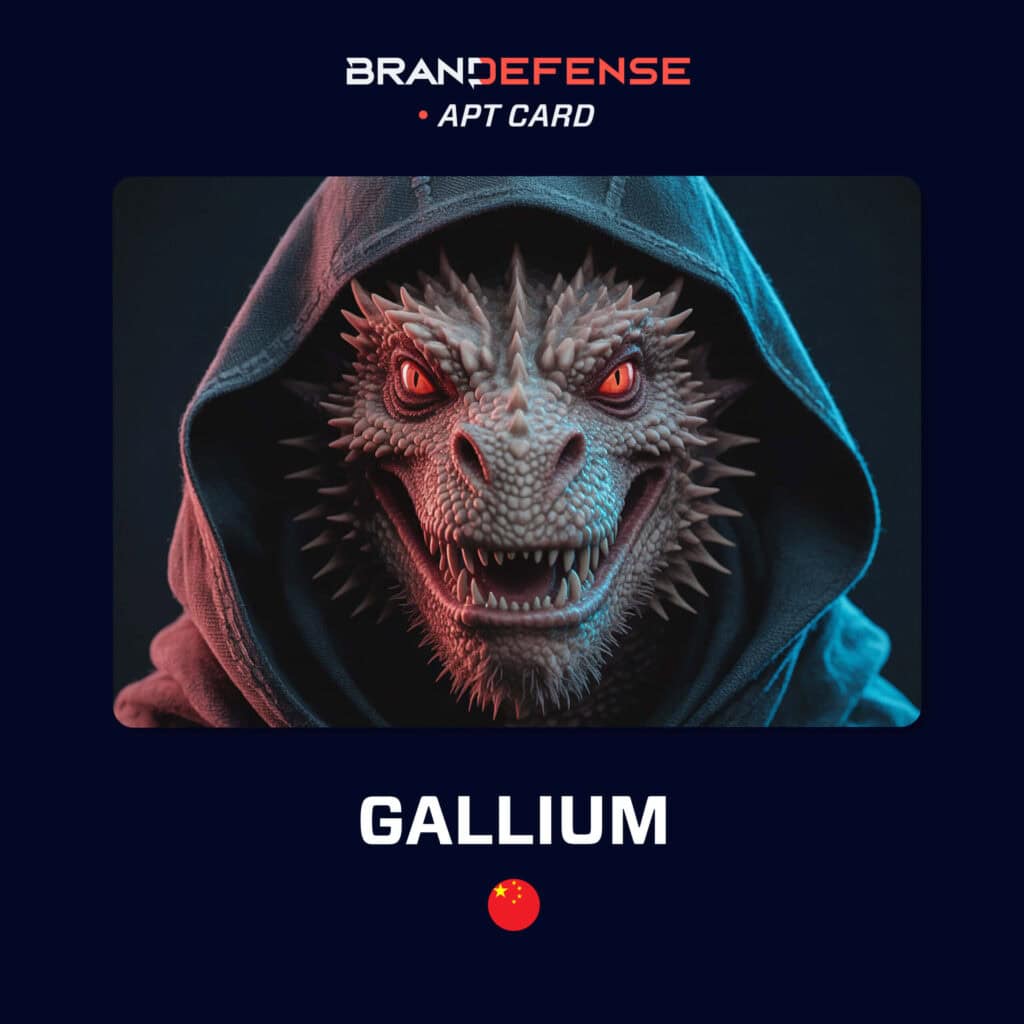
GALLIUM APT: What MITRE ATT&CK Says
GALLIUM is a cyberespionage group that MITRE ATT&CK says has been active since at least 2012, mainly targeting telecom, finance and government. See what is confirmed and what is not.
Read The Research →BugSleep Backdoor Technical Analysis
The BugSleep backdoor is malware that this report attributes to MuddyWater. It can upload and download files, run commands through a reverse shell, and create or change scheduled tasks to...
TraderTraitor: North Korea’s Crypto Heist Machine
TraderTraitor—also known as Jade Sleet and UNC4899—is one of North Korea’s most aggressive financial APT groups. Responsible for major crypto thefts, including the $1.5B ByBit hack, it targets blockchain developers, exchanges, and fintech firms worldwide.
Handala: The Rise of a Decentralized Pro-Palestinian Hacktivist Collective
Handala is a pro-Palestinian hacktivist collective active since 2022, conducting defacements, DDoS attacks, and politically motivated data leaks targeting Israeli, U.S., and Western entities during regional conflicts.
Moonlight Tiger (APT-C-09, Patchwork, Dropping Elephant): India’s Silent Espionage Arm in the Digital Battlefield
Moonlight Tiger (APT-C-09) is a long-running India-linked cyber-espionage group conducting spearphishing, modular malware campaigns, and intelligence-gathering operations across South and East Asia. Targeting government, defense, academic, and foreign policy institutions, the group continues to evolve through living-off-the-land techniques, custom backdoors,…
Inside WageMole: North Korea’s Fusion of Cybercrime and Espionage
WageMole is a North Korean APT active since 2018, operating at the intersection of cyber-espionage and financial theft. The group targets cryptocurrency, fintech, and defense sectors using fake recruiters, supply-chain attacks, and AI-enhanced phishing. Learn how this hybrid threat operates.
Inside Void Manticore: Iran’s Hybrid Hacktivist for Information Warfare
Void Manticore is an Iran-aligned APT group conducting hybrid cyber operations, destructive wiper attacks, and politically motivated leak campaigns targeting Israel, NATO members, NGOs, and critical infrastructure sectors.
Sandworm (APT44): Russia’s Most Destructive Cyber Weapon
Sandworm (APT44) is Russia’s most destructive state-sponsored cyber unit. Known for NotPetya, Industroyer, and AcidPour, the group targets critical infrastructure across Ukraine, NATO states, and Europe, combining cyber sabotage with military objectives.
APT37: North Korea’s Active Cyberespionage Group
APT37 (Famous Chollima) remains one of North Korea’s most active and adaptive cyberespionage groups. This analysis highlights their 2025 evolution—cloud persistence, AI-driven social engineering, new RAT variants, and global targeting across governments, defense, research, and policy organizations.
Research, Source-Based Analysis And Hands-On Lessons.
All Threat Intelligence Researches.
174- 2025GALLIUM APT: What MITRE ATT&CK Says
- 2025BugSleep Backdoor Technical Analysis
- 2025TraderTraitor: North Korea’s Crypto Heist MachinePDF
- 2025Handala: The Rise of a Decentralized Pro-Palestinian Hacktivist CollectivePDF
- 2025Moonlight Tiger (APT-C-09, Patchwork, Dropping Elephant): India’s Silent Espionage Arm in the Digital BattlefieldPDF
- 2025Inside WageMole: North Korea’s Fusion of Cybercrime and EspionagePDF
- 2025Inside Void Manticore: Iran’s Hybrid Hacktivist for Information WarfarePDF
- 2025Sandworm (APT44): Russia’s Most Destructive Cyber WeaponPDF
- 2025APT37: North Korea’s Active Cyberespionage GroupPDF
Questions About Threat Intelligence Researches.
What does Threat Intelligence Researches contain?
Research and practical analysis on threats and attacker methods, alongside source-based explainers and hands-on security tutorials.
Does every article present a new threat finding?
No. The collection includes original analysis, explainers and practical lessons. Read each article for its evidence or learning goal.
How is this different from Security News?
Security News covers current security developments. This collection offers longer analysis, technical explanations and practical lessons.
How do I filter the research?
Search by title, choose a publication year or select Has a PDF to show articles that link a PDF in their body.
How often is new research added?
New publications appear newest first. Each article shows its publication date.
How many research items are listed?
The page currently lists 174 public items. Use search and year filters to explore the collection.
Where does CISA list exploited vulnerabilities?
CISA maintains the Known Exploited Vulnerabilities Catalog, linked here.
What does Brandefense do?
Brandefense is an AI-driven threat intelligence company. Its platform covers cyber threat intelligence, digital risk protection and external attack surface management. You can request a demo on your own domain from the Request A Demo page.
What details do the research articles give?
They give dates, fixes, attribution and what to check. Topics include exploited vulnerabilities, ransomware entry points and supply chain compromises.
Is there research on VPN flaws used by ransomware groups?
Yes. One article covers five VPN and firewall flaws added to the CISA KEV catalog in 2025 and 2026 that carry a ransomware flag. It gives dates, fixed versions and what to check.
Is there research on remote support tool flaws?
Yes. One article covers remote support and file transfer flaws that CISA flagged for ransomware use in 2025 and 2026. It gives dates, fixes, attribution and checks.

Research Is General. Your Exposure Is Not.
A demo of the platform, run on your own domain.
Request A Demo →