
Brandefense Blog. Cybersecurity And Risk.
Threat actors, dark web activity, ransomware and digital risk, explained by the analysts who track them.
 APT Groups HAFNIUM APT Group (Silk Typhoon): Exploiting the Global Attack Surface for Strategic Espionage HAFNIUM (Silk Typhoon) is a China-aligned cyber espionage group known for exploiting internet-facing enterprise infrastructure, including the large-scale Microsoft Exchange attacks that impacted organizations worldwide.
 APT Groups Tick APT Group (BRONZE BUTLER): A Long-Running East Asian Cyber Espionage Actor Tick (Bronze Butler) is a long-running China-aligned APT group known for stealthy cyber espionage campaigns targeting government, defense, and technology sectors in East Asia.
 Digital Risk Protection MCP Server Security: 10 Protocol-Level Attack Scenarios Behind the “Install and Run” Speed MCP servers enable fast AI integrations—but they also introduce new protocol-level risks. Explore 10 attack patterns, real-world CVEs, and how to secure MCP adoption with governance…
 APT Groups FishMonger APT Group: A Persistent China-Aligned Cyber Espionage Actor FishMonger (AQUATIC PANDA) is a China-aligned advanced persistent threat group conducting long-term cyber espionage against government, academic, and technology sectors worldwide.
 APT Groups Dark Caracal APT Group (G0070): Mobile-Centric Espionage and Regional Surveillance Dark Caracal (G0070) is a Lebanon-linked APT conducting long-term mobile surveillance operations targeting government, military, journalists, and activists across MENA.
 APT Groups LIMINAL PANDA: China’s Emerging Espionage Threat in the Semiconductor and Technology Sectors Liminal Panda is an emerging China-linked cyber-espionage actor targeting semiconductor, AI, and defense sectors through cloud-native intrusion and identity abuse techniques.
 Ransomware Reynolds Ransomware: BYOVD Evasion & NSecKrnl Abuse The newly emerged Reynolds ransomware group leverages BYOVD and NSecKrnl driver abuse to terminate security tools before encryption. Technical breakdown, IOCs and YARA rules.
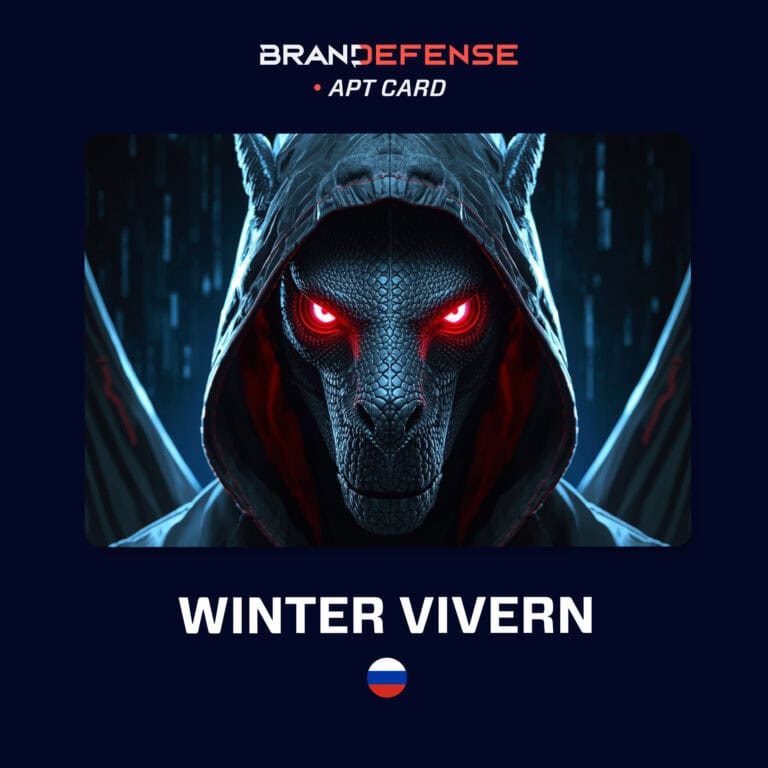 APT Groups Winter Vivern (TAG-70 / UAC-0114 / TA473): A Persistent Eastern European Cyber-Espionage Threat Targeting NATO and EU Governments Winter Vivern (TAG-70 / UAC-0114 / TA473) is a state-aligned cyber-espionage group targeting NATO and EU entities via credential harvesting, Zimbra exploitation, and persistent phishing operations.
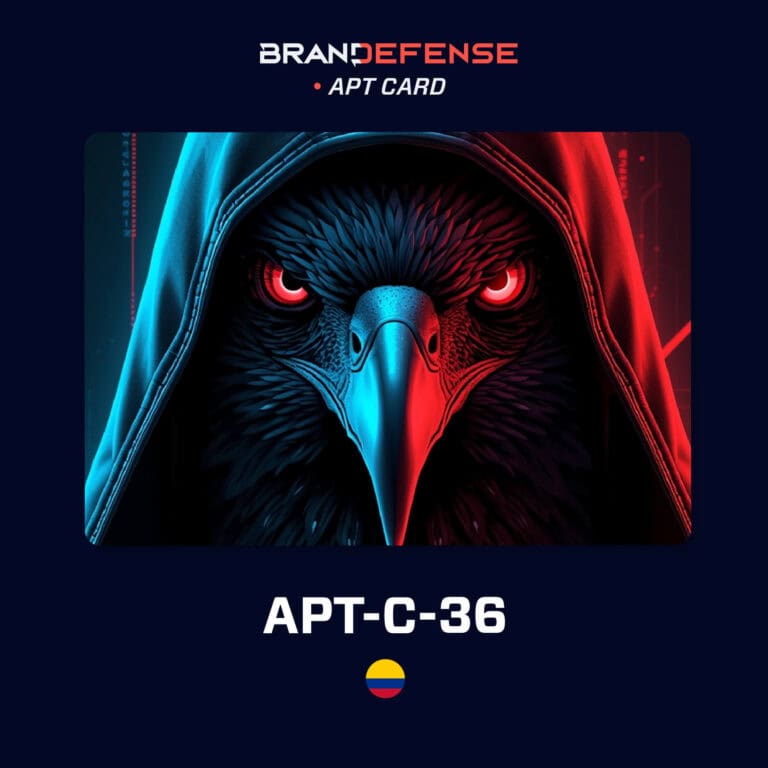 APT Groups APT-C-36: Latin America’s Persistent Cyber-Espionage Force APT-C-36, also known as Blind Eagle, is a Colombia-linked cyber-espionage group active since 2018. Primarily targeting government and financial sectors in Latin America, the actor leverages…
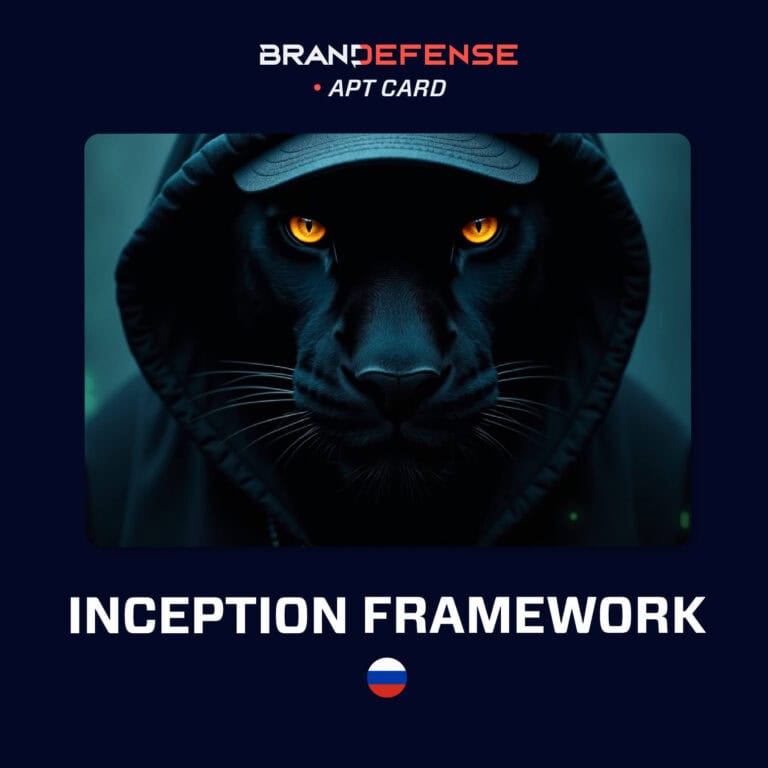 APT Groups Inside the Operations of Inception Framework: A Decade of Stealth, Espionage, and Global Targeting Inception Framework is a long-running Russian-speaking cyberespionage group focused on government, diplomatic, and defense targets using stealthy spearphishing and cloud-based intrusion techniques.
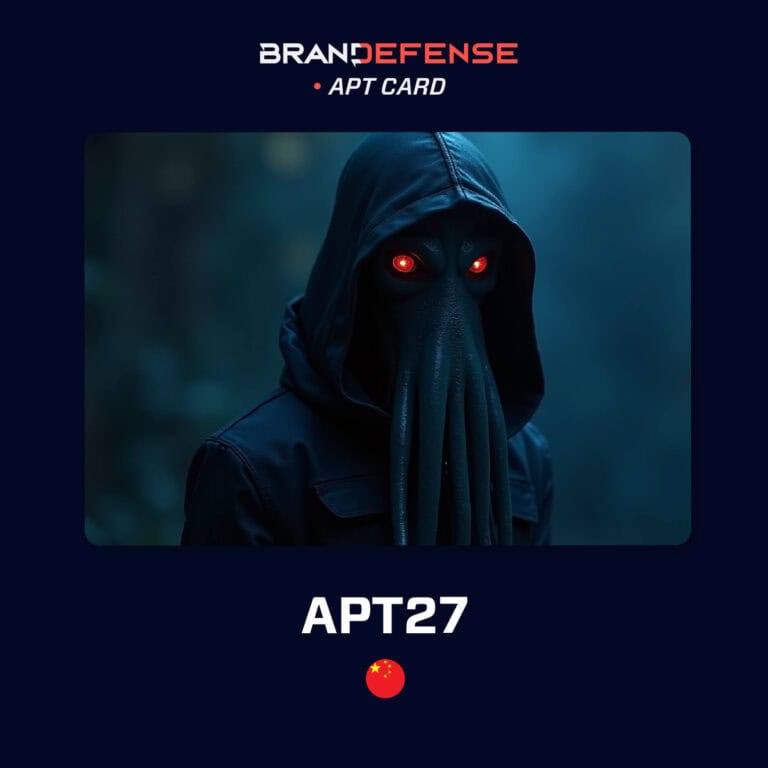 APT Groups APT27 APT27 is a long-running China-aligned cyber espionage group targeting governments, defense contractors, and critical infrastructure through stealthy, high-impact operations.
 APT Groups APT3 (BORON): A Pioneering China-Aligned Cyber Espionage Group APT3 (BORON) is one of the earliest China-aligned APT groups, known for exploit-driven espionage campaigns targeting defense, advanced manufacturing, and government sectors.
All 42 pages
About The Blog.
Last updated June 9, 2026-
Articles on ransomware, APT groups, the dark web, digital risk protection, fraud, sector analysis and VIP security, written for security teams.
-
New articles are added several times a month. The newest come first, and every article shows its publish date.
-
Use the topic chips above the list to open one topic, or type a word in the search box. Each topic has its own page.
-
Articles draw on public sources such as CISA advisories, MITRE ATT&CK and ENISA reports. Sources are listed at the end of an article when it cites them.
-
The site feed at brandefense.io/feed/ lists new posts. The email sign-up box is on the All Resources and Reports pages.
-
Brandefense is an AI-driven threat intelligence company. Its platform covers cyber threat intelligence, digital risk protection and external attack surface management. You can request a demo on your own domain from the Request A Demo page.
-
The count at the top of the blog page shows the current total, and each topic chip shows how many articles that topic holds. You can open all of them or pick one topic, such as APT Groups, Dark Web, Ransomware or Fraud. Each article shows its publish date.
-
The blog describes its articles as explained by the analysts who track threats. They cover threat actors, dark web activity, ransomware and digital risk. The newest articles appear first.
-
Yes. APT Groups is one of the topic chips above the list, and it opens only the articles on that topic. The Knowledge Hub also holds profiles of threat groups.
-
The surface web is the part of the internet that search engines list. The deep web is content that search engines do not list, such as pages behind a login. The dark web needs special software to reach. The blog has an article that explains the three layers in plain words.